
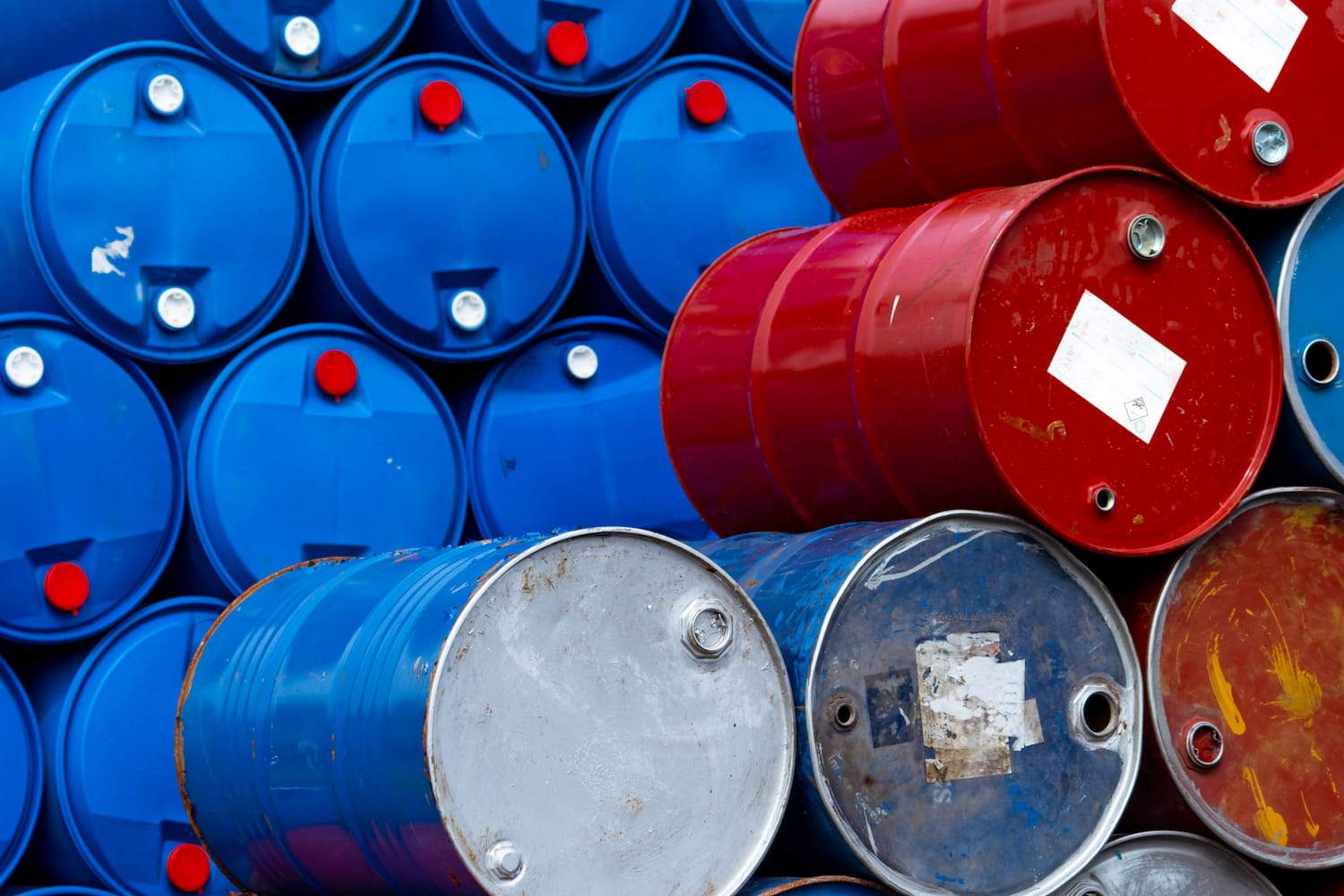
Image Credit: Fahroni/ Shutterstock
If your business handles dangerous materials, understanding hazardous waste is essential to protecting your team, your site, and the environment. The four main categories, ignitable, corrosive, reactive, and toxic, require different approaches for safe handling. Discover how each type is defined, explore common hazardous waste examples, and learn how different types of waste disposal keep operations safe and compliant. Proper knowledge can reduce risks, avoid fines, and support long-term environmental responsibility.All About Hazardous Waste
Hazardous waste includes any material that substantially threatens public health or the environment due to its chemical, physical, or biological properties. These wastes are often byproducts of industrial processes, manufacturing, or facility maintenance, requiring more than just a standard trash bin. Improper handling of hazardous waste can lead to toxic exposure, fires, contamination, or legal penalties. That’s why proper waste identification, storage, and removal are critical steps in any responsible operation. Businesses that manage hazardous waste must understand their legal responsibilities and prioritize safe practices to protect people, property, and the planet. Learn About Hazardous Waste Removal ServicesThe 4 Categories of Hazardous Waste
Businesses that generate hazardous materials must accurately identify and manage the four types of waste segregation to reduce harm and stay compliant. The Environmental Protection Agency classifies hazardous waste into four main categories: ignitable, corrosive, reactive, and toxic. Each one creates specific challenges for disposal, storage, and workplace safety. When companies understand these categories, they can take clear steps to protect their teams, limit environmental damage, and meet regulatory expectations.Ignitable Hazardous Waste
Ignitable waste includes materials that catch fire or combust easily. Examples include:- Flammable liquids like solvents, fuels, and alcohols
- Compressed gases such as propane or butane
- Oxidizers and combustible solids
Corrosive Hazardous Waste
Corrosive waste breaks down materials on contact and often damages metal containers or equipment. Examples include:- Hydrochloric acid
- Sulfuric acid
- Sodium hydroxide (lye)
Reactive Hazardous Waste
Reactive waste includes unstable substances that explode or emit toxic gases when exposed to heat, pressure, or water. Examples include:- Peroxides
- Cyanides
- Ammonium nitrate
Toxic Hazardous Waste
Toxic waste harms people or wildlife through direct contact or environmental exposure. Examples include:- Pesticides
- Mercury
- Lead-based products
Safe Handling and Disposal of Hazardous Waste
Improper handling of hazardous waste can lead to serious health risks, legal penalties, and environmental damage. To protect your team and stay compliant, follow best practices for safe management and disposal.- Label and store waste properly using approved containers
- Train employees on identifying and handling hazardous materials
- Follow local, state, and federal regulations to avoid violations
- Use licensed disposal services that specialize in hazardous waste
- Incineration for flammable or toxic waste
- Chemical treatment for neutralizing corrosive substances
- Secure landfilling for long-term containment
Partner With Experts for Safer Waste Management
Understanding the four categories of hazardous waste is only the beginning. Proper classification, handling, and disposal protect your team, your community, and the environment. However, managing hazardous waste takes more than good intentions; it requires experience, the right equipment, and a deep knowledge of federal and state regulations. Mistakes can lead to serious fines and long-term liability. Contact us at Cactus Environmental Services for professional hazardous waste disposal solutions tailored to your business. Get reliable support, expert guidance, and peace of mind.Next Post: How to Safely Dispose of Asbestos